Need reliable sump pump and plumbing services near you?
Effective plumbing prevents water damage. Boston Standard in Boston, MA, offers top-notch plumbing solutions and emergency services for pump issues.
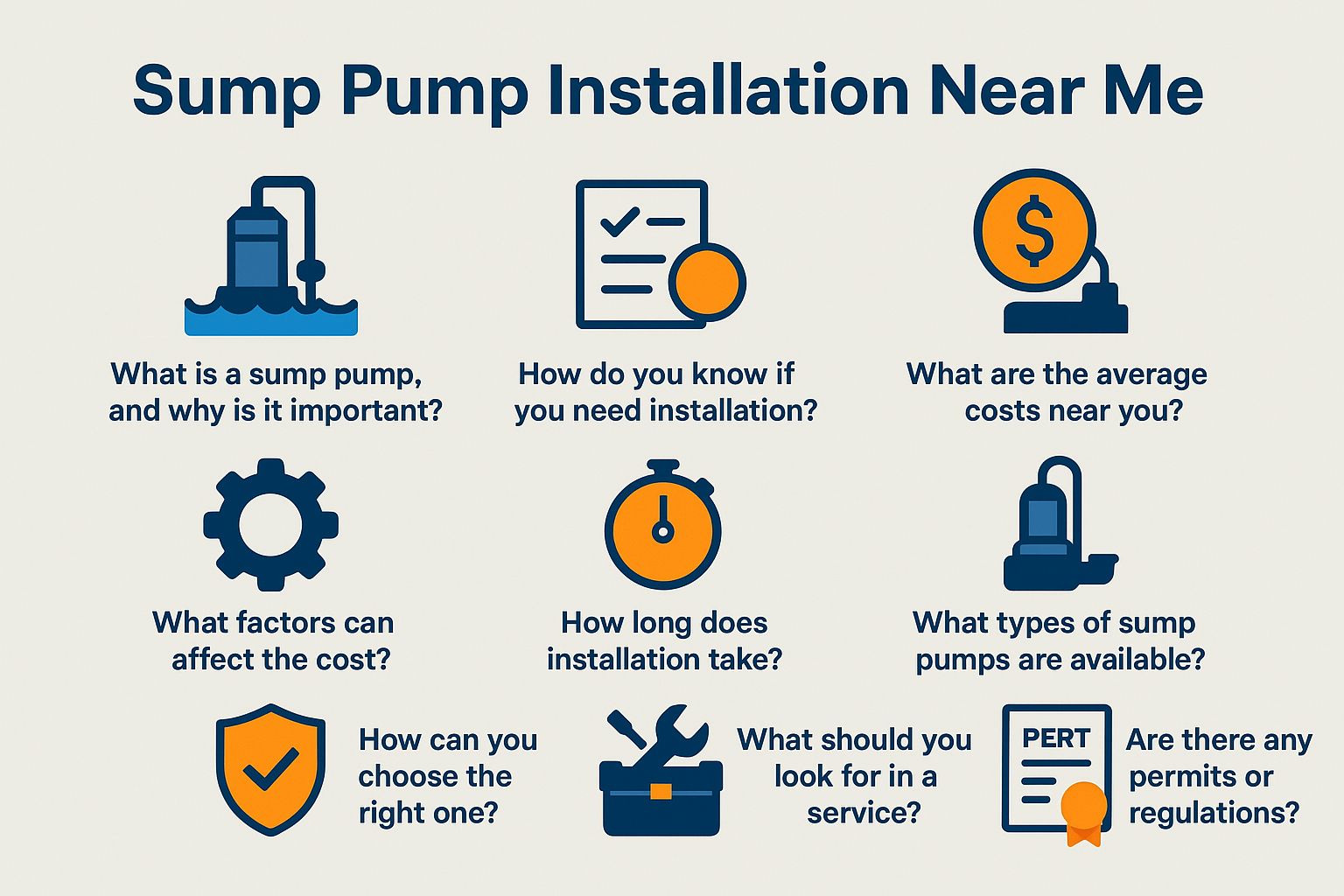
This guide covers the importance of sump pumps, signs you need one, associated costs, and tips for choosing the right service provider.
Professional sump pump installation enhances your property’s safety and value. Enjoy peace of mind knowing you’re protected.
Persistent moisture may lead to structural issues, including mold growth and compromised foundations requiring repair.
What is a sump pump, and why is it important for your home protection and basement drainage?
A sump pump is an essential device designed to prevent flooding and water accumulation in residential properties, particularly in basements and crawl spaces. Its primary function is to pump excess water out, thereby maintaining a dry environment.
These pumps operate by detecting rising water levels and activating to expel water through discharge pipes, which typically direct the water into a drainage system or outside the home. Without a sump pump, you risk significant financial loss. Flood damage can cost about $21,000 on average. Additionally, persistent moisture may lead to structural issues, including mold growth and compromised foundations requiring repair.
Homeowners in flood-prone areas should invest in a quality sump pump, like the Zoeller M53, to protect their property.
How do you know if you need a sump pump installation and waterproofing solutions?
You may need a sump pump if you notice signs like recurrent basement flooding or high water tables that threaten your home’s structure.
Start by checking for visible signs in your basement, like water stains on walls or ceilings. It is also important to be aware of any musty odors, as these may indicate moisture accumulation and may require dehumidifiers.
During periods of heavy rainfall, monitor whether water accumulates in specific areas of your basement. Additionally, conduct research on any historical flooding issues in your neighborhood.
If you notice two or more signs, consult a professional to evaluate your sump pump needs.
What are the average costs associated with sump pump installation near you, including advanced technology and equipment repair?
What are the average costs for sump pump installation and repairs in your area?
In Boston, MA, the average cost for sump pump installation typically ranges from $1,500 to $4,000, contingent upon the type of system and the complexity of the installation. Flexible financing options may be available for homeowners.
Many factors affect these costs. Basic models generally commence around $1,500, while more advanced systems, particularly those incorporating battery backups, can result in costs exceeding $3,500.
For instance, the addition of a sump basin may incur an additional expense of between $200 and $600. Labor costs tend to range from $500 to $1,500, influenced by the contractor’s level of expertise and the complexity of the installation process.
To enhance the efficiency of your project, it is advisable to utilize platforms such as HomeAdvisor or Angie’s List for contractor comparisons. This approach ensures that you obtain competitive quotes and reliable service.
Use platforms like HomeAdvisor or Angie’s List for contractor comparisons to enhance project efficiency.
What factors can influence the cost of sump pump installation, including pump replacement and maintenance services?
What factors influence sump pump installation costs, including replacements and maintenance?
Several factors significantly influence sump pump installation costs: pump type, labor rates, site conditions, and whether you need a vapor barrier or structural foam.
It is essential to make an informed choice between a submersible pump, which typically ranges from $150 to $400, and a pedestal pump, priced between $100 and $300. Submersible pumps often necessitate more extensive installation, particularly if the basement presents drainage challenges.
In Boston, labor costs can vary considerably, ranging from $70 to $120 per hour, depending on the specific neighborhood. Additionally, site preparation may incur further expenses, potentially adding between $500 and $1,500 for necessary drainage work.
Consider adding a battery backup system for extra assurance. It typically costs between $200 and $400.
How Long Does Sump Pump Installation Usually Take?
The installation process for a sump pump generally requires between 4 to 8 hours, depending on the complexity of the system and the specifics of the installation environment.
To facilitate a smooth installation, it is essential to conduct a comprehensive assessment of the site’s drainage requirements and waterproofing system. It is advisable to gather all necessary tools beforehand, including:
- a shovel
- a level
- and PVC fittings
The process begins with excavating a hole for the sump basin, ensuring that it is sufficiently deep to accommodate the pump’s float switch. Following this, the pump should be installed in accordance with the manufacturer’s instructions, which typically involves connecting it to a discharge pipe that directs water away from the home’s foundation.
Allocate 1 to 2 hours for installation. Thoroughly test the system to ensure it functions properly before sealing the area.
What types of sump pumps are available for installation, including industrial standards and home safety?
There are primarily two types of sump pumps available for installation: submersible pumps and pedestal pumps, each designed to meet specific environmental conditions and requirements.
Submersible pumps cost between $100 and $500. They are ideal for deeper basements since they are installed underwater. This configuration minimizes noise and prevents vibrations, making them particularly effective in areas susceptible to heavy flooding and sump pump failure.
Conversely, pedestal pumps, ranging from $80 to $300, are intended for shallower pits. Their above-ground placement facilitates easier maintenance, as they are more accessible for inspections and repairs.
Consider the basement depth, budget, and maintenance preferences when choosing the right sump pump.
How can you choose the right sump pump for your specific needs, considering same-day service and expert technicians?
Selecting the appropriate sump pump necessitates a careful evaluation of your specific requirements, taking into account factors such as basement size, water table levels, and the availability of backup power systems.
Start by determining the water volume in your basement. Historical flooding data can be instrumental in determining the frequency and volume of water accumulation, and may indicate the need for sump pump repair and equipment repairs.
For deeper basements, a submersible pump is recommended, while pedestal pumps are more suitable for shallower configurations. It is important to verify the pump’s capacity, typically expressed in gallons per hour, to ensure it can adequately manage your specific volume needs.
Additionally, consideration should be given to the installation of a battery backup to ensure continued operation during power outages. Consulting with professionals from Boston Standard or Winters Home Services can offer you tailored guidance suited to your unique situation.
What should you look for in a sump pump installation service near you, including customer questions and quality craftsmanship?
When seeking a sump pump installation service, it is advisable to prioritize experienced professionals who possess strong customer reviews, offer a satisfaction guarantee, and maintain transparent pricing policies. Trusted professionals in sump basin installation may also provide emergency repairs.
Look for experienced professionals with strong customer reviews, satisfaction guarantees, and transparent pricing policies when seeking a sump pump installation service.
To refine the search process, ask friends or family for recommendations and check reputable online platforms like Angie’s List or HomeAdvisor.
It is essential to evaluate potential contractors by verifying their licensing and insurance to ensure compliance with local regulations.
Evaluate potential contractors by verifying their licensing and insurance to ensure compliance with local regulations.
Additionally, requesting quotes that include a detailed breakdown of labor and materials can help avoid any hidden costs.
Companies such as Water Solutions, Inc. and Boston Sump Pump Experts have established themselves as reliable and quality service providers, making them commendable options to consider for sump pump installation needs.
Water Solutions, Inc. and Boston Sump Pump Experts are reliable service providers to consider for your sump pump installation needs.
Are there any permits or regulations you need to consider for sump pump installation, ensuring compliance with home protection standards?
Installing a sump pump in Boston may require permits and adherence to local regulations for safety and compliance.
To effectively navigate the permitting process, it is advisable to begin by contacting Boston’s Inspectional Services Department for specific guidelines pertaining to sump pump installations. They provide information about required permits costing between $50 and $200.
Begin by contacting Boston’s Inspectional Services Department for specific guidelines on sump pump installations to navigate the permitting process effectively.
Ahead of initiating the installation, it is imperative to secure the necessary permits to avoid potential fines or compliance issues. Ensure that the installation meets local plumbing codes.
Working with your installation service can help you obtain the necessary permits. This ensures a smooth and compliant installation.
What are the benefits of professional sump pump installation versus DIY installation, considering plumbing maintenance and home inspection?
Choosing professional sump pump installation offers key benefits. These include expert craftsmanship, time efficiency, and adherence to local codes, which often surpasses the appeal of do-it-yourself approaches.
Professionals have the skills to install your sump pump correctly and efficiently. This greatly reduces the chance of future failures. Utilizing tools such as pressure gauges and water level detectors, they can accurately assess the specific requirements of your basement. For instance, a qualified technician might recommend the installation of a battery backup system if the area is prone to frequent power outages.
Moreover, professional installation typically includes a warranty, offering long-term protection for your investment.
Professional installation typically includes a warranty, offering long-term protection for your investment.
Conversely, do-it-yourself attempts frequently result in improper installations, such as inadequate drainage solutions, which can lead to costly repairs and potential water damage. Consider contacting Watchman Waterproofing for expert help.
Contact Watchman Waterproofing for expert help.
What maintenance is required after sump pump installation?
After installation, maintaining your sump pump is crucial for optimal performance and water management. It is recommended to conduct regular inspections and operational checks at least twice a year.
Begin the maintenance routine by testing the pump’s functionality: pour several gallons of water into the sump basin to verify that the pump activates and discharges properly.
Following this, it is important to inspect and clear the discharge line to prevent clogs that may lead to backups. If the sump pump is equipped with a battery backup system, its functionality should also be assessed biannually.
Furthermore, schedule professional maintenance yearly. Services from providers like Boston Standard usually cost between $100 and $150. This proactive approach can help avert costly repairs in the future.
What can you expect during the sump pump installation process?
Homeowners can expect a thorough assessment and efficient installation during the sump pump process. A comprehensive walkthrough of the system’s operation will follow.
The initial consultation, which lasts approximately 30 minutes, enables the technician to evaluate the property’s drainage needs and discuss available options. Following this assessment, the installation phase may take between 4 to 8 hours, depending on the complexity of the setup. This process typically involves the following steps:
- Positioning the pump in a sump basin
- Connecting the pump to drainage lines
- Testing the system to ensure proper functionality
After installation, testing ensures everything operates smoothly. The technician will provide key information on maintenance and troubleshooting. This interaction is designed to enhance the homeowner’s confidence in effectively utilizing the system.
How do sump pump warranties and guarantees work?
It’s important to understand sump pump warranties. They typically cover parts and labor for a specific time, giving you peace of mind if something goes wrong.
Most sump pumps are accompanied by a warranty that typically lasts between one to three years, although high-end models may offer warranties extending up to five years. Additionally, labor guarantees provided by installation services usually range from one to two years.
It is imperative to maintain accurate records of your purchase and installation dates, as these documents will be required for warranty claims.
Furthermore, ask about service contracts for extended coverage. These can provide extra security against repairs after the initial warranty period.
What are common issues to watch for after sump pump installation?
Once you install a sump pump, watch out for issues like pump failure, clogging, or drainage problems to keep your home safe.
You can take steps to prevent these problems.
- For example, installing a battery backup system can prevent pump failure during power outages.
- Regularly clean and inspect discharge pipes to avoid clogging. Check the float switch’s position each month to ensure it works properly.
Schedule biannual maintenance with a qualified professional. This helps ensure your sump pump works effectively and keeps your home safe from water damage.
How to Find Reliable Sump Pump Installers Near You?
Start by looking for reliable sump pump installers in Boston using online reviews, local directories, and recommendations from friends.
Check platforms like Angie’s List and HomeAdvisor for vetted professionals. You can filter results by customer ratings and service areas.
Subsequently, cross-reference reviews on Yelp or Google to assess overall satisfaction levels, paying particular attention to testimonials related to sump pump installations.
Consult local hardware stores for referrals. They often recommend trustworthy contacts in the plumbing industry, like Boston Standard.
Compare quotes from at least three installers. This ensures competitive pricing and quality service.
What Do Customer Reviews Say About Sump Pump Installation Services?
Customer reviews offer invaluable insights into the quality of sump pump installation services, often highlighting both strengths and weaknesses of service providers.
Analyze customer reviews to make informed decisions. Focus on key aspects like service quality, punctuality, and professionalism.
Additionally, pay attention to comments about post-installation support. This is crucial for long-term reliability. Utilize platforms such as Angie’s List or Yelp to obtain a comprehensive perspective.
Consider local companies with high ratings, like ABC Sump Pump Solutions. They are known for prompt service and warranty offerings, thereby providing homeowners with peace of mind.
How Can Sump Pump Installation Boost Your Home’s Safety and Value?
Installing a sump pump properly is vital for preventing water damage and mold growth. It also boosts your property value through better groundwater management.
To ensure effective sump pump installation, choose the right sump pump based on your home’s size and water table levels. Look for models with a backup power source to keep them running during outages.
Reputable brands such as Zoeller and Wayne offer reliable options, typically priced between $150 and $400. The sump pump should be positioned in a sump pit located below the floor level, preferably in areas susceptible to flooding.
Ensure the discharge pipe directs water away from your foundation.
Make sure the discharge pipe directs water away from your foundation. Use PVC piping to reduce the risk of leaks and corrosion. This proactive approach not only safeguards the integrity of the home but also preserves its overall value.
