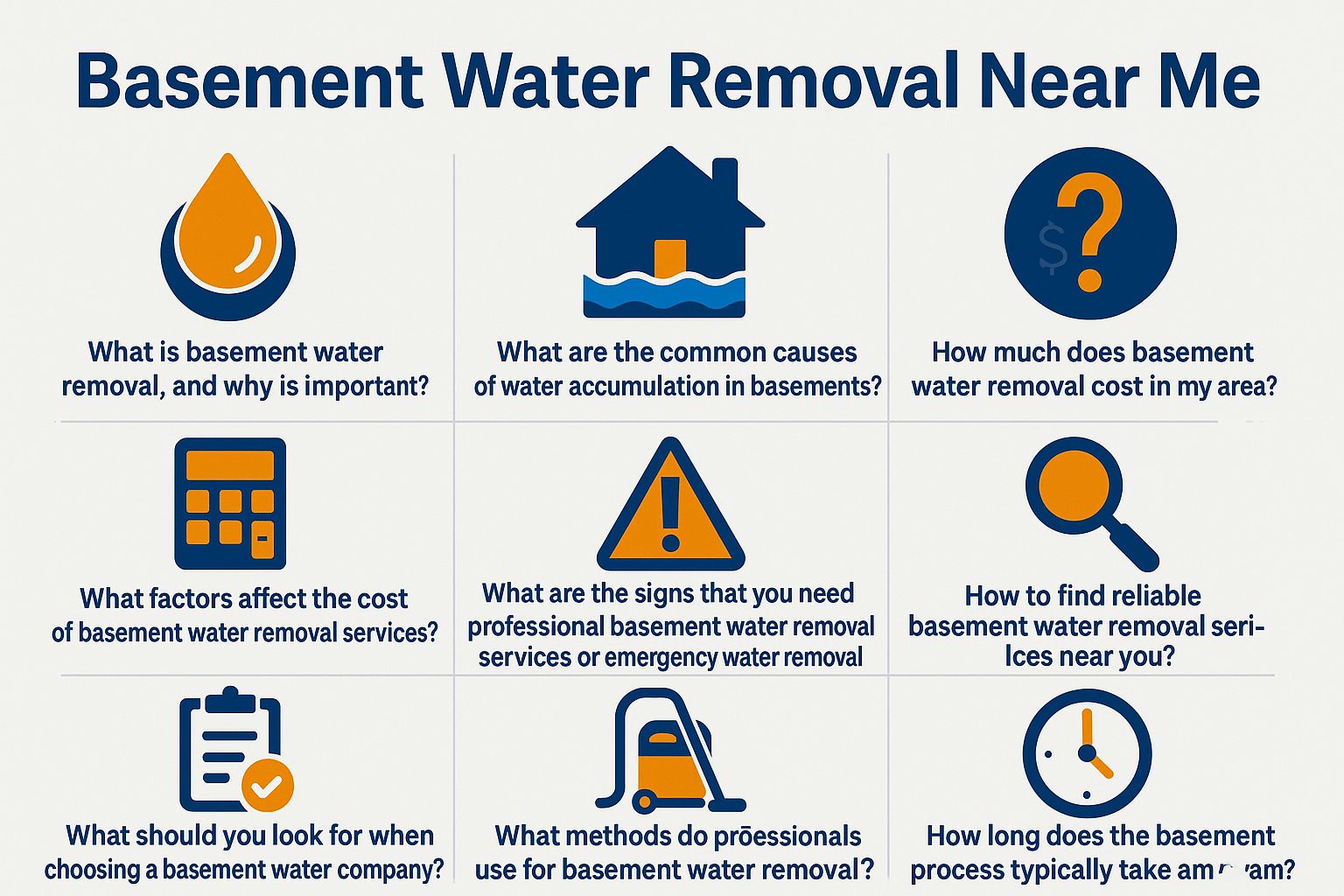
Act quickly when water damage affects your home, especially in the basement. Waterproofing is essential. If you’re in Little Rock and looking for reliable basement water removal, trusted professionals like SERVPRO, Roto-Rooter, and Basement Systems can help. This guide covers why timely water removal is critical, common causes of water buildup, and how to choose the right restoration experts to safeguard your home and budget. Whether you’re considering sump pumps or full restoration services, we’ve got the insights you need to make an informed decision.
What is basement water removal, and why is it important?
Basement water removal eliminates accumulated water to prevent structural damage, electrical hazards, and health risks. Timely intervention in basement water removal is essential, particularly given that approximately 40% of homes in Little Rock experience water damage at some point.
Failure to address this issue can result in significant structural problems and the proliferation of harmful mold, which adversely affects indoor air quality. To effectively manage water accumulation, home systems such as sump pumps and dehumidifiers play a vital role.
- Sump pumps remove excess water. They are crucial in flood cleanup.
- Dehumidifiers help maintain moisture levels.
Regular inspections are advisable to identify potential issues before they escalate, thereby ensuring the integrity of the property and the health of its occupants are adequately protected.
What are the common causes of water accumulation in basements?
Water accumulation in basements frequently results from a variety of factors, including hydrostatic pressure, inadequate drainage systems, and significant rainfall. Addressing these moisture problems early is essential.
In Little Rock, the common causes of this issue include:
- Heavy rainfall exceeding two inches within a 24-hour period, which is often experienced during summer storms.
- Poor grading around residential properties, particularly in neighborhoods adjacent to the river, where slopes may direct water towards foundations.
- Clogged gutters, which should be maintained through bi-annual cleaning to prevent overflow.
- Foundation cracks, particularly in older homes, which can permit substantial water intrusion.
- Rising groundwater levels due to hydrostatic pressure, often worsened by nearby construction activities.
By addressing these concerns, homeowners can reduce the risks of water accumulation. Residential services often encompass thorough inspections and preventive measures.
How much does basement water removal cost in my area?
In Little Rock, basement water removal costs range from $1,500 to $3,000, depending on the severity of water intrusion. This cost generally encompasses several essential steps in the remediation process.
For example, the initial inspection is priced between $100 and $300, during which the extent of the situation is assessed. Following this, water extraction is performed, with costs ranging from $500 to $1,500, depending on the volume of water present. Drying and dehumidification services may incur an additional expense of $500 to $1,000.
If mold remediation is needed, expect an additional cost of $500 to $2,000. Ensuring proper insurance coverage can help manage these expenses.
It is advisable to review your insurance policy, as it may cover a portion of these expenses, thereby alleviating some of the financial burden associated with these services.
What factors affect the cost of basement water removal services?
Key factors that influence basement water removal costs include damage extent, required equipment, and necessary labor. Ensuring the use of advanced extraction equipment is crucial.
The severity of water damage affects costs. Minor issues may need basic tools costing around $500, while extensive damage could exceed $3,000.
The type of equipment required can vary; for instance, sump pumps for severe flooding may range from $300 to $1,000. Additionally, time is a critical factor, as emergency services often charge up to 50% more for immediate response.
Location affects pricing. Urban areas usually have higher costs due to resource availability.
What are the signs that you need professional basement water removal services or emergency water removal?
Recognizing early signs of water intrusion saves time and money. It also helps prevent serious damage. Professional technicians can offer a free estimate for necessary interventions.
Watch for visible water pooling, especially if it’s over one inch. Musty odors can indicate mold growth, and discoloration on walls may manifest as water stains or peeling paint. Elevated humidity levels above 50% can signal underlying moisture issues. Addressing these signs quickly can reduce repair costs and prevent serious structural damage.
Furthermore, regular inspections and using a dehumidifier can help manage moisture issues before they escalate.
How to find reliable basement water removal services near you?
To find reliable basement water removal services, research local providers and verify their credentials. Opting for fast reliable service ensures timely intervention.
Start by searching local services on Yelp, Angie’s List, or Google Maps for comprehensive listings. After narrowing down your options, it is essential to verify their credentials-specifically, look for certifications such as those from the Institute of Inspection, Cleaning and Restoration Certification (IICRC) for water damage restoration.
Request references and check online reviews for insights into customer satisfaction. Obtain at least three to five quotes to compare pricing and response times; it is advisable that the service be capable of responding to emergencies within two hours.
This approach helps you make an informed decision.
What should you look for when choosing a basement water removal company?
Choosing the right basement water removal company is crucial for effective restoration, necessitating a thorough evaluation of various factors.
- Begin by verifying the certification and training of each company to ensure that they employ qualified professionals.
- Next, assess their insurance coverage; liability insurance is crucial as it protects you from potential damages that may occur during the restoration process.
- A prompt response time is critical; therefore, prioritize companies that offer 24/7 availability.
- Inquire about the technology utilized; advanced extraction equipment can greatly enhance operational efficiency.
- Additionally, seek out warranties on services provided to ensure quality workmanship.
Focusing on these key aspects helps you safeguard your property effectively. Involving trained professionals can enhance the overall restoration process.
What methods do professionals use for basement water removal?
Professionals use various methods and equipment for effective basement water removal, carefully tailored to the specific circumstances at hand.
For effective removal, professionals choose methods based on flooding severity.
- Submersible pumps are particularly effective in areas with significant water accumulation, with average costs ranging from $200 to $500.
- For smaller pools of water, wet vacuums, which range from $50 to $150, provide a practical solution.
- Dehumidifiers, priced between $250 and $750, are employed to manage humidity levels following water extraction.
- Infrared cameras may also be utilized to detect hidden moisture, generally costing around $500.
It is important to note that hydrostatic pressure control can prevent future water issues, though it may add costs.
How long does the basement water removal process typically take?
Basement water removal can take from a few hours to several days, depending on damage extent.
In a standard case, the process begins with an initial assessment, which generally takes about one hour to evaluate water levels and damage.
Following the assessment, water extraction may require between two to eight hours, depending on the volume of water present and the type of extraction equipment used.
The drying and dehumidification phase can take an additional 12 to 48 hours. During this time, fans and dehumidifiers work to prevent mold growth. Finally, conducting thorough checks and implementing mold prevention measures may necessitate an extra one to two days to ensure comprehensive safety.
Are there any do-it-yourself (DIY) methods for basement water removal?
Do-it-yourself (DIY) methods can offer temporary relief but often fall short for significant water accumulation. They work best for minor cases.
Consider these effective DIY options:
- A sump pump, which typically costs around $100, is suitable for removing standing water.
- A wet/dry vacuum, priced at approximately $50, can be utilized for smaller volumes of water.
- Dehumidifiers, ranging from $150 to $300, are useful for controlling moisture levels in the air.
Additionally, sandbags present an economical solution for creating barriers during floods. Regular maintenance of the drainage system can help prevent future problems. ServiceMaster Restore offers quality services for both residential and commercial restoration needs.
It is important to note that for substantial water damage or basement flooding, consulting a professional restoration company is essential to ensure a proper and thorough resolution.
How can you prevent future water accumulation in your basement?
Preventing future water accumulation in your basement is crucial for a safe and healthy home.
- Consult local dealers like SERVPRO or Roto-Rooter for water intrusion detection and restoration services. This can enhance your home’s defense against water damage.
- To begin, the installation of a sump pump is recommended, which typically ranges in cost from $150 to $300 and effectively removes excess water.
- Additionally, it is important to ensure proper grading around the home to divert water away from the foundation; this can often be accomplished as a do-it-yourself project.
- Regular maintenance of gutters and downspouts should be conducted at least quarterly to prevent blockages.
- Furthermore, sealing any cracks in the basement with a waterproof sealer is advisable to keep moisture at bay.
- In cases of severe water intrusion, it may be prudent to consider a professional basement waterproofing system, such as those provided by Basement Systems, for a more comprehensive solution.
What are the potential health risks associated with water in the basement in Little Rock, Arkansas?
Water accumulation in basements poses health risks, including mold growth and structural hazards that can compromise safety.
Mold exposure can cause asthma and respiratory problems, especially in sensitive individuals. Families with children or elderly members must prioritize mold remediation efforts.
Furthermore, structural risks associated with water accumulation may weaken foundations, thereby increasing the likelihood of collapses, especially in regions susceptible to heavy rainfall. The presence of standing water also poses electrical hazards, such as the risk of shock resulting from damp wiring.
To effectively mitigate these dangers, engage a qualified professional for waterproofing and mold assessment to ensure safety and adherence to health standards.
How does insurance coverage work for basement water removal services?
Know your insurance coverage for basement water removal to avoid unexpected restoration expenses.
It is advisable to begin by reviewing the insurance policy to clarify the specifics of the coverage, including whether it encompasses damage resulting from natural flooding or general water issues.
Document all damages thoroughly with photographs and videos. This evidence will support your insurance claim.
Contacting the insurer promptly, preferably within 24 hours of the damage occurrence, is essential to notify them of the situation.
Furthermore, it is advisable to retain all receipts and records of any restoration services rendered, as these documents can significantly impact the claim payout.
Homeowners can expect water damage claims to range from $3,000 to $8,000, depending on the damage severity.
What additional services might be offered by basement water removal companies?
Many basement water removal companies provide various services for complete property restoration and prevention.
These services can save you money by reducing the risk of future water damage. For example, mold removal services cost between $500 and $2,000. These services are crucial for your health, as mold can pose serious risks.
Structural drying services typically start at $1,000. They are vital for fixing moisture issues and preventing wood rot and weakened foundations. Installing sump pumps and drainage systems offers long-term solutions to prevent water ingress.
Insurance claim assistance, effective cleanup techniques, and routine maintenance checks can reduce costs and extend your property’s lifespan.
What are customer reviews and testimonials saying about local basement water removal services?
Customer reviews offer insights into the reliability of local basement water removal services in Little Rock. Check reviews on platforms like Google, Yelp, and Angie’s List. Focus on service quality, responsiveness, and customer satisfaction.
Services like XYZ Water Removal often receive high ratings of around 4.8 stars for their quick responses and thorough work. ABC Waterproofing has lower ratings due to reported service delays.
Recent feedback helps assess the current performance of these services, ensuring you choose a reliable provider.
How can you prepare your home for professional basement water removal?
Properly preparing your home speeds up and enhances the effectiveness of basement water removal.
- Begin by relocating valuable items to higher ground to prevent potential damage.
- Clear the basement of furniture and clutter to ensure that technicians can navigate the area with ease. This not only expedites the process but also enables the team to assess the situation more effectively.
If you have homeowners insurance, inform your provider about the incident to check for coverage options. Document your basement’s condition with photos. This can help with insurance claims or future reference.
These proactive measures can lead to a more efficient water removal experience.
