Are you an Atlanta homeowner aiming to boost your home’s energy efficiency? Ensuring proper crawl space insulation and encapsulation is essential for preventing mold growth and enhancing your home’s overall comfort and energy efficiency. In Atlanta, Crawl Space Brothers provide tailored solutions to keep your home safe and efficient. This article explains why crawl space insulation matters, its benefits, and how to choose the right services for your needs.
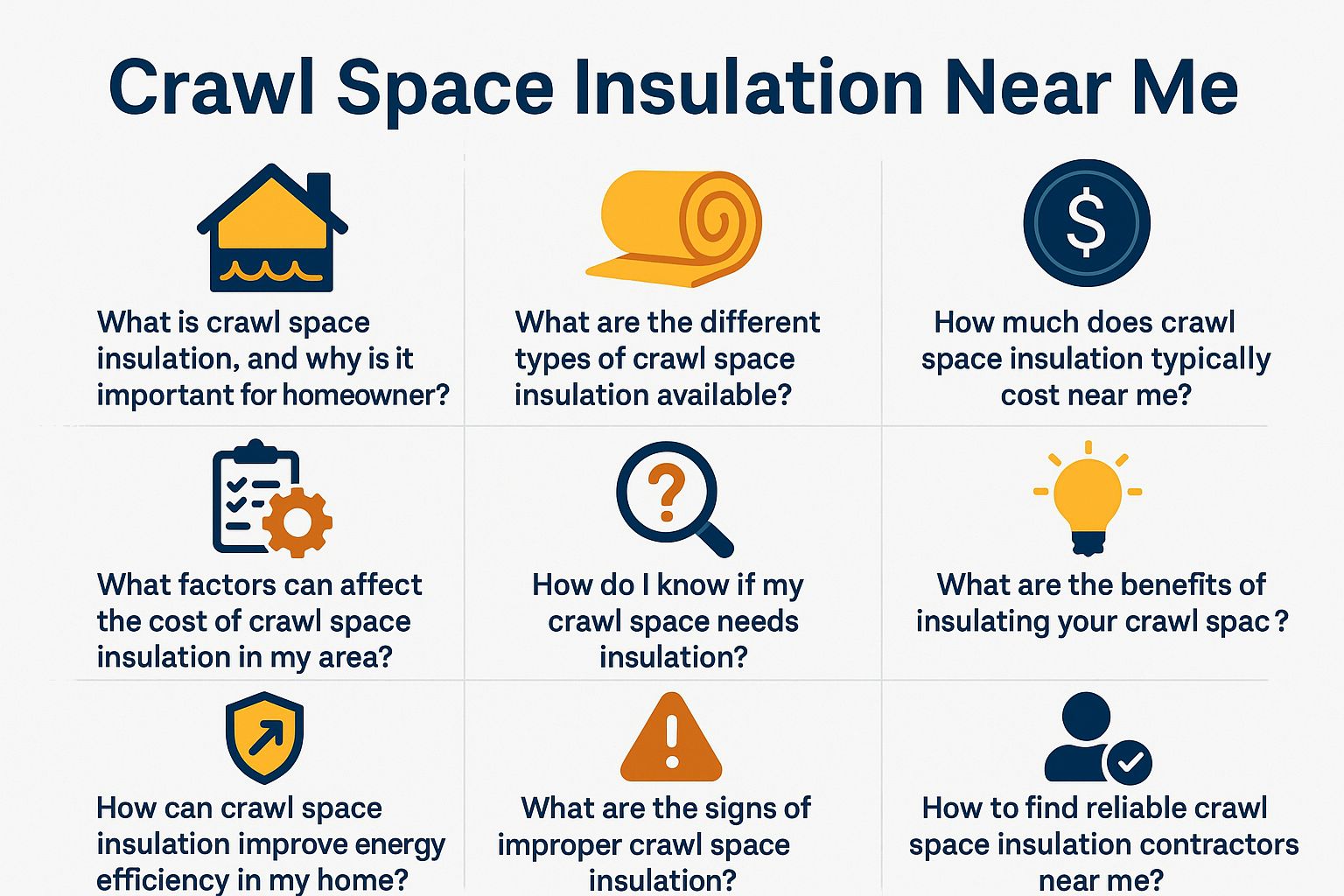
What is crawl space insulation, and why is it important for homeowners?
Crawl space insulation is vital for a healthy home. It’s especially important for Atlanta homeowners worried about mold and energy efficiency.
Proper insulation reduces moisture buildup. This is crucial in humid climates like Atlanta. By utilizing materials like fiberglass batts or spray foam, homeowners can effectively block cold air and reduce dampness, preventing mold and structural damage.
Sealing and insulating ducts within the crawl space improves energy efficiency and enhances home safety.
Furthermore, sealing and insulating ducts within the crawl space contributes to overall energy efficiency and home safety. Investing in a vapor barrier can provide additional protection against ground moisture and moisture issues.
Regular inspections are crucial. Schedule them every six months to maintain insulation effectiveness and enhance air quality.
What are the different types of crawl space insulation available?
Homeowners have the option to select from various types of crawl space insulation, including fiberglass batt insulation, spray foam insulation, and TerraBlock insulation, each presenting distinct advantages.
-
Fiberglass batt insulation is a cost-effective solution, with an R-value ranging from approximately 3.1 to 4.3 per inch, making it an appealing choice for budget-conscious homeowners. However, it is important to note that this type of insulation can be susceptible to moisture-related issues.
-
Spray foam insulation offers superior air sealing and moisture barrier capabilities. While it tends to be more expensive, averaging between $1 to $3 per square foot, its performance may justify the investment.
-
TerraBlock insulation is composed of flexible materials that facilitate ease of installation and provide effective moisture control. Nevertheless, it may not achieve the same R-value as the aforementioned options.
Ultimately, choosing insulation depends on cost, installation ease, thermal performance, and your home’s structure.
How much does crawl space insulation typically cost near me?
In Atlanta, crawl space insulation costs between $1,500 and $3,500. Prices vary based on insulation type and crawl space size. A detailed cost breakdown for various insulation types is crucial for effective budgeting.
- Fiberglass insulation typically averages $1.50 to $2.50 per square foot and is favored for its affordability and effectiveness.
- Spray foam insulation represents the highest cost option, ranging from $2.50 to $5.00 per square foot, and provides superior air sealing, making it particularly suitable for homes in humid climates.
- TerraBlock insulation, noted for its sustainability, falls within a price range of $2.00 to $4.00 per square foot.
It is important to note that costs can vary by contractor. Get multiple estimates to find the best price.
What factors can affect the cost of crawl space insulation in my area?
Several factors impact crawl space insulation costs, such as size, insulation type, accessibility, and moisture issues.
Start by measuring your crawl space. Costs usually range from $1,000 to $3,000 based on size.
Next, consideration should be given to the types of insulation available; for instance, fiberglass batts are a cost-effective option but may necessitate additional barriers. Conversely, spray foam insulation provides better performance and moisture control but is pricier.
Accessibility matters too. If vents or ductwork complicate installation, expect higher labor costs.
A thorough assessment of moisture issues is crucial. Remediation can add $500 or more to your costs.
Address these factors early to ensure accurate budgeting and achieve savings over time.
How do I know if my crawl space needs insulation?
Signs indicating that insulation may be required in your crawl space include the presence of visible mold growth, noticeably cold floors within the home, and elevated moisture levels in the environment.
Start by using a moisture meter to check humidity levels. Humidity levels over 60% suggest a moisture issue. Additionally, if there are significant temperature discrepancies-such as floors that are notably colder than other areas of the house-installation of insulation is likely warranted.
If indoor humidity exceeds 50%, consider installing a dehumidifier. Schedule a professional inspection to confirm these issues and find the best insulation solutions. This ensures protection against heat loss and moisture.
What are the benefits of insulating your crawl space?
Insulating your crawl space offers benefits like better energy efficiency, improved comfort, and increased safety by reducing mold risks.
For example, foam board insulation helps maintain temperature and can reduce heating and cooling costs by up to 15%. Homeowners like Sarah from Ohio report significant drops in their energy bills after this improvement.
Furthermore, a vapor barrier tackles moisture issues and greatly reduces mold growth, improving indoor air quality.
Use tools like a thermal camera to check insulation effectiveness and maximize your energy savings.
How can crawl space insulation improve energy efficiency in my home?
Crawl space insulation is vital for energy efficiency. It minimizes air leakage and keeps indoor temperatures stable.
For example, fiberglass or foam board insulation creates a thermal barrier that blocks cold air. Less air leakage eases the load on HVAC systems and lowers energy costs.
A study in a 1,500-square-foot home found that proper insulation cut heating costs by up to 20%, showing its importance.
Homeowners can expect better energy performance over time, leading to more comfort, savings, and longer-lasting HVAC systems.
What are the signs of improper crawl space insulation?
Improper crawl space insulation can cause several issues, such as air leakage, moisture problems, and visible mold.
To address these concerns, start by checking for drafts around windows and doors. Seal any gaps you find with weatherstripping or caulking.
Next, check the crawl space for mold or mildew. Damp insulation can promote their growth. If you find mold, treat it with a vinegar and water mix and improve ventilation in the area.
If energy bills are too high, consider adding heat-reflective insulation or a dehumidifier. These measures maintain optimal conditions, reducing heat loss and moisture.
How to find reliable crawl space insulation contractors near me?
To find reliable crawl space insulation contractors, research local professionals, check customer reviews, and verify credentials to find reliable crawl space insulation contractors.
Start by checking online directories like Angie’s List and HomeAdvisor, which list vetted contractors for crawl space repairs. Review feedback on Google and Yelp, focusing on recent evaluations to gauge customer satisfaction.
Additionally, ask friends and family for referrals to trustworthy professionals based on their experiences. Before deciding, verify each contractor’s licenses and insurance to confirm they meet state regulations.
Organizations like the Better Business Bureau and the National Association of Home Builders offer valuable resources to assess contractor credibility.
What qualifications should I look for in a crawl space insulation contractor?
Consider qualifications like licensing, insurance, and relevant experience when hiring a crawl space insulation contractor.
Ask potential contractors for project references to evaluate their past work quality.
Request project references from potential contractors to evaluate their past work quality. A reputable contractor can provide at least three past clients willing to share their experiences.
Ensure the contractor has liability and workers’ compensation insurance to protect against accidents on-site. Review online testimonials and customer feedback for insights into overall satisfaction. This vetting process helps identify a reliable contractor for your insulation needs and complete crawl space solutions.
How long does the installation of crawl space insulation usually take?
Installing crawl space insulation usually takes 1 to 3 days, depending on the area size and insulation type.
Smaller spaces typically take about one day to install using pre-cut fiberglass batts. A medium-sized area needing moisture remediation may take around two days, especially if a vapor barrier must be installed first. Larger spaces or those using spray foam insulation may require up to three days for installation due to extra preparation and curing time.
Factors like inadequate access, structural issues, or additional moisture control needs can prolong the installation process.
Can I install crawl space insulation myself, or should I hire a professional?
DIY crawl space insulation is possible, but hiring a professional is often better for safety and expertise in dealing with moisture issues.
Professionals can thoroughly evaluate your crawl space for structural and moisture issues that DIY methods might miss. They use high-quality materials like spray foam insulation or rigid foam boards for a better seal against drafts and moisture.
Hiring a professional guarantees proper installation, saves time, and provides peace of mind, especially when dampness or mold is present.
What is the best time of year to insulate a crawl space?
The best time to insulate a crawl space is spring or fall, when moderate temperatures create ideal installation conditions.
In spring, dry conditions and lower humidity lead to a smoother installation, reducing the risk of mold or moisture problems. In fall, milder temperatures prevent cold from negatively affecting insulation materials as they settle.
Plan ahead by scheduling the installation early and monitoring local weather forecasts to ensure a successful project.
How does crawl space insulation affect indoor air quality?
Proper crawl space insulation is crucial for improving indoor air quality by reducing humidity and limiting mold and allergens. Using insulation materials like fiberglass or foam board helps homeowners effectively reduce humidity and lower the risk of mold growth.
A study by the U.S. Department of Energy shows that insulated crawl spaces can cut indoor moisture levels by up to 50%. Sealing vents and using a dehumidifier also significantly improves air quality.
Regular inspections and maintenance keep insulation effective. This contributes to a healthier living environment and fewer respiratory issues.
Many services offer free inspections to help maintain optimal conditions.
What warranties or guarantees should I expect from insulation services?
Crawl space insulation services typically offer warranties ranging from 5 to 25 years. These cover material defects and workmanship.
Know the specific terms and conditions of these warranties. Understanding the specific terms and conditions of these warranties is crucial. For example, a 10-year warranty may only cover material defects, whereas a 25-year warranty might also encompass labor associated with installation.
Most warranties require regular maintenance, including humidity control and inspections, to remain valid. Before finalizing your insulation service, it is advisable to request comprehensive warranty documentation from the contractor and clarify any conditions that may lead to the warranty being voided.
This approach protects your investment and reduces the risk of unexpected costs later.
Are there any local regulations or codes regarding crawl space insulation?
Atlanta homeowners must follow local building codes for crawl space insulation. These codes specify the materials and installation practices to be utilized. Compliance with these regulations is essential, as it helps to avoid potential fines while also ensuring the energy efficiency and safety of the home.
Many codes require closed-cell spray foam insulation because it effectively resists moisture. It is imperative to consult with the local building department prior to commencing any installation, as they can provide specific guidelines tailored to the area, including necessary permits and recommendations regarding required vapor barriers.
Hiring a licensed contractor who knows Atlanta’s codes simplifies compliance. Hiring a licensed contractor who knows Atlanta’s codes simplifies compliance.
What maintenance is required after installing crawl space insulation?
After installation, regular inspections are necessary to control moisture and maintain insulation integrity. Engaging crawl space care providers helps maintain a clean space environment.
- Begin by conducting annual inspections of the insulation for any signs of wear or damage. It is advisable to utilize a flashlight to examine tight spaces and a moisture meter to assess dampness levels.
- Maintaining humidity levels below 50% is essential to prevent mold growth; the use of a dehumidifier may be recommended for enhanced control.
- Be vigilant for pest activity. Infestations can reduce insulation effectiveness.
- Schedule professional inspections every few years. This ensures all components are in good condition and protects the property from damage.
