Are you searching for reliable foundation sealing services nearby? Protecting your home from moisture is crucial for maintaining its stability over time. In Boston, companies like King Foundation Sealing LLC and Elite Masonry & Waterproofing offer expert solutions using high-quality materials. This ensures your home remains strong.
This guide discusses the importance of foundation sealing, cost factors, and how these companies focus on customer satisfaction in masonry restoration. Learn how to safeguard your home effectively and make informed decisions about preserving its structural integrity.
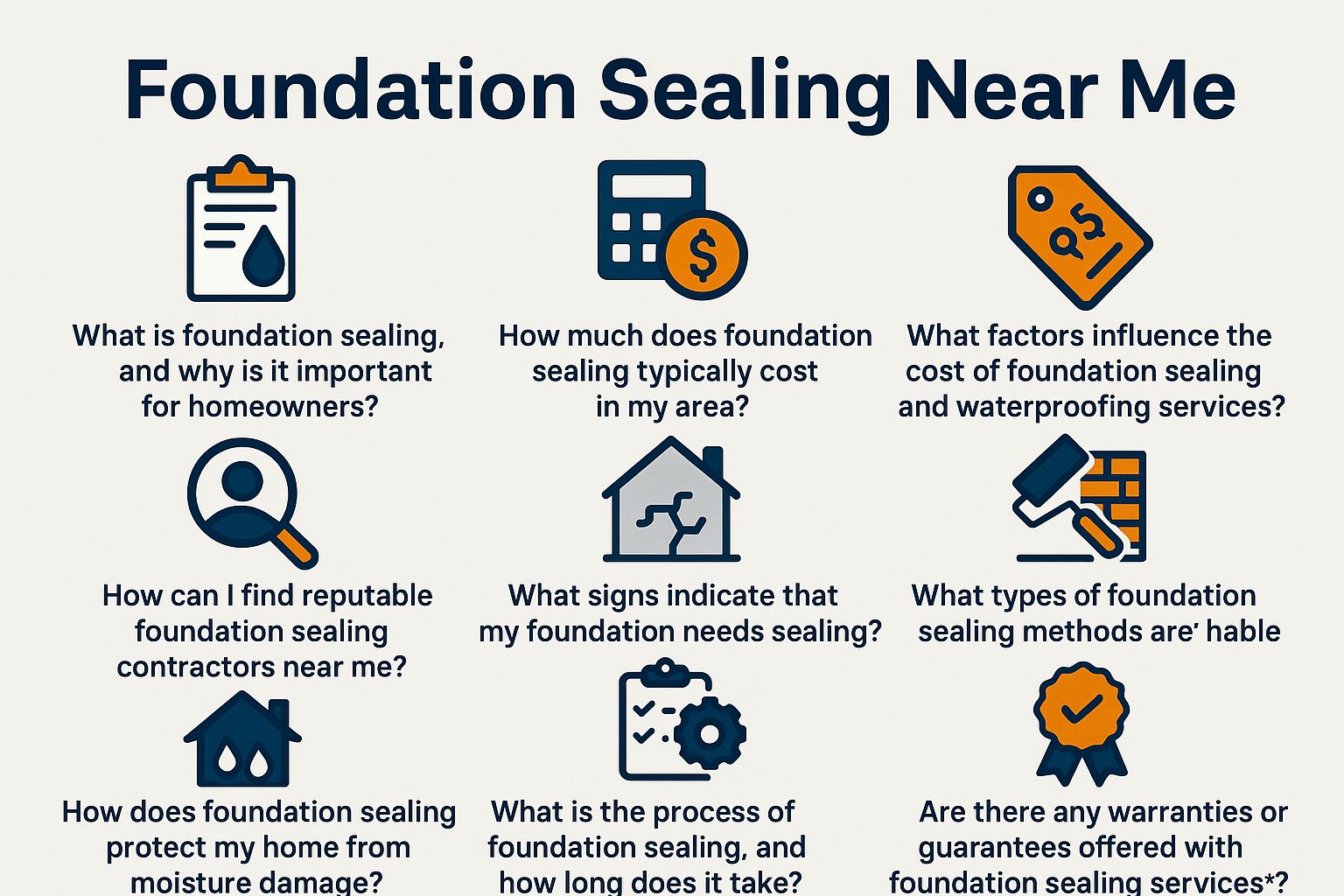
What is foundation sealing, and why is it important for homeowners?
Foundation sealing protects your home from moisture damage, mold growth, and structural issues. It offers waterproofing solutions that respond to local climate conditions.
In areas like New England, heavy snowfall and rainfall make foundation sealing crucial. This process involves applying a waterproof membrane to the foundation’s exterior walls. It creates a barrier against moisture ingress.
Homeowners can hire professionals who use quality sealants such as hydraulic cement or elastomeric coatings. Perform this maintenance every 5 to 10 years for ongoing protection. Water intrusion can lead to costly repairs and health risks from mold development.
What is the typical cost of foundation sealing in my area?
Foundation sealing costs between $2,000 and $5,000. Local factors like accessibility and property type influence these prices.
Here’s a breakdown of estimated costs by region based on local contractors:
| Region | Estimated Cost |
|---|---|
| Massachusetts | $2,500 – $4,500 |
| New Hampshire | $3,000 – $5,000 |
| Connecticut | $2,800 – $4,800 |
Factors like the extent of required repairs can increase costs. Homeowners should get multiple quotes for competitive pricing. Hiring licensed professionals ensures quality.
What factors influence the cost of foundation sealing and waterproofing services?
The cost of foundation sealing depends on several factors, including property type, foundation material, and local labor rates.
The foundation type matters. For instance, a stone foundation may require different sealing techniques than a concrete one. The condition of the property is also critical. Contractors, such as Erickson Foundation Solutions, indicate that pre-existing damage can lead to increased costs, as repairs may need to be addressed prior to sealing.
Geographic location affects pricing. Urban areas typically have higher labor rates than rural areas because of demand. Furthermore, the expertise of the contractor can affect the overall price. While more experienced professionals may charge higher fees, they often provide enhanced reliability and superior results.
How can I find reputable foundation sealing contractors near me?
Finding reputable foundation sealing contractors requires thorough research and credential verification. Consider customer reviews to ensure satisfaction. It is advisable to start by asking friends or family for recommendations. Their experiences can point you to reliable professionals, especially in Derry, Amesbury, and Kittery.
Next, use online platforms like Angie’s List or HomeAdvisor to find local contractors. Ensure each contractor has the necessary licenses and insurance by verifying their credentials. Additionally, request quotes from at least three contractors to compare pricing and services.
It’s wise to check online reviews on platforms like Google and Yelp. Look for detailed feedback on customer satisfaction and project quality.
How can I tell if my foundation needs sealing?
Homeowners should watch for key signs that their foundation needs sealing. Look for visible cracks and any signs of water intrusion.
High humidity levels in your home can also indicate poor sealing. Homeowners should use a moisture meter to check humidity levels. Hiring a reputable contractor for inspections is also a good idea.
Check your concrete foundation for cracks or peeling paint. These signs may indicate water intrusion. Taking photographs of these signs can help when discussing issues with professionals. This ensures all symptoms are properly addressed.
What types of foundation sealing methods are available?
Several foundation sealing methods are available, each designed for specific types of damage and materials. This ensures effective moisture protection.
Concrete sealants, such as SealantPro, create a protective barrier against water and humidity, making them particularly suitable for surface sealing in New England, where freeze-thaw cycles are prevalent.
Epoxy injection methods effectively fill cracks and provide structural support. They also prevent further water penetration. Additionally, exterior waterproofing membranes, such as DecoShield, offer a robust barrier against moisture seepage and are especially beneficial in areas exposed to heavy rainfall.
Each method has its advantages. Sealants are easy to apply, injection methods enhance structural integrity, and membranes provide comprehensive coverage, accommodating a range of budgetary constraints and damage scenarios.
How does foundation sealing protect my home from moisture damage?
Foundation sealing acts as a vital barrier against moisture. It helps preserve the structural integrity of homes and prevents costly repairs.
The sealing process uses high-quality sealants to prevent water intrusion. These sealants fill cracks and gaps in the foundation. Additionally, implementing effective barriers, such as vapor retarders, helps to reduce humidity levels within basements and crawl spaces.
Sealing significantly reduces the risk of mold growth. Studies show it can cut moisture-related issues by up to 70% after sealing, thus aiding mold mitigation efforts.
Homeowners can also address radon gas concerns by combining sealing with ventilation systems. This creates a thorough approach to moisture management and improves air quality, including radon mitigation strategies.
What is the process of foundation sealing, and how long does it take?
The foundation sealing process usually takes 1 to 3 days. This depends on the project’s size and the method used.
The procedure commences with an initial inspection aimed at identifying vulnerable areas, which typically requires approximately half a day.
Next, the surface needs preparation, which includes cleaning and repairing cracks. This step may take another day based on the damage extent.
Allow curing time, which usually takes 24 hours but can be longer in damp conditions.
Professionals like Done Right Services warn that delays can happen due to bad weather or unexpected repairs, especially in areas like Salem and Portsmouth.
Are there any warranties or guarantees offered with foundation sealing services?
Reputable foundation sealing contractors usually offer warranties covering workmanship and materials. These warranties range from 5 to 20 years, ensuring quality and reliability.
Workmanship guarantees, like those from Supportworks, ensure that the contractor’s work meets quality standards. These warranties often address issues that may arise from improper installation, thereby providing homeowners with peace of mind.
Review the coverage details carefully. Warranties may only be valid if certified professionals install the materials.
Understanding these terms helps protect your investment.
How Often Should I Seal My Foundation?
Seal your foundation every 5 to 10 years. The timing depends on materials and environmental conditions. In regions such as Salem and Portsmouth, where winters can be particularly severe, moisture accumulation may lead to considerable foundation damage.
Heavy rainfall or thawing cycles may require sealing every 3 to 5 years.
Schedule inspections in early spring for timely maintenance before summer rains.
Inspect your concrete foundation for cracks or peeling paint. These signs indicate water intrusion. Homeowners may utilize waterproof sealants like Drylok or Thoroseal. These are available at local hardware stores in Boston and New Hampshire.
What are the common materials used in foundation sealing and commercial foundation projects, and how do they differ?
Foundation sealing uses various materials. Each material has unique properties that affect moisture resistance and durability, especially in historical properties.
Common materials for foundation sealing are:
- Polyurethane sealants
- Epoxy sealants
- Bituminous coatings
Polyurethane sealants offer great flexibility and adhesion, making them ideal for shifting surfaces. In contrast, epoxy sealants are strong and durable but require careful surface preparation for best results;
Bituminous coatings are cost-effective and excel at waterproofing but may not last as long. When selecting a sealing material, it is essential to consider factors such as local climate conditions, budget constraints, and specific project requirements to ensure effective and enduring protection against moisture.
Can I perform foundation sealing as a DIY project, or should I hire a professional for expert craftsmanship?
Some homeowners consider DIY foundation sealing. However, hiring professionals usually leads to better results and safety.
DIY foundation sealing can be complex and might not always give the best results. For instance, improper application of sealants could result in water damage, potentially worsening the existing issues.
In contrast, professionals have the expertise to use materials like polyurethane or epoxy effectively. They can tailor solutions for specific issues. Furthermore, they also implement safety measures to reduce risks from radon gas, a common issue with poor sealing.
Many professionals offer warranties, protecting homeowners from future repair costs. This combination of expertise and assurance often substantiates the initial investment.
What should I expect during a foundation sealing consultation or inspection?
During a consultation, expect a thorough foundation assessment and a customized action plan.
The consultation starts with a foundation inspection. The contractor will look for cracks, moisture, and other issues. Subsequently, the contractor will discuss visible signs of damage, like water stains or uneven flooring.
The contractor will present sealing options, from epoxy injections to membrane systems, allowing you to choose what fits your needs.
To ensure the selection of a qualified contractor, it is advisable to ask these questions:
- What materials do you recommend?
- How long is the expected lifespan of the sealing?
- What is the projected timeline for the completion of the work?
How Does Foundation Sealing Affect My Property Value?
Investing in foundation sealing can boost your property value. It often returns 200% of your initial investment in home equity.
Homeowners in Massachusetts report an average increase of $25,000 in resale value after sealing their foundation. This process not only prevents water damage and mold. It also protects the home and boosts curb appeal.
Good curb appeal attracts more buyers. Sealed foundations help homes sell faster. By utilizing high-quality sealants, homeowners can ensure long-lasting results. This investment boosts your property’s value.
What are the long-term benefits of investing in foundation sealing and insulation installation?
Foundation sealing offers long-term stability, lower maintenance costs, and better energy efficiency. By sealing the foundation, homeowners can not only strengthen your home’s structure. It also reduces moisture and pest issues.
Use a quality product like Drylock Waterproofing for great mold resistance. Regular inspections, ideally conducted every few years, especially before heavy rains, to avoid costly repairs.
Homeowners report saving up to 30% on energy bills with proper sealing, which greatly improves insulation efficiency. This proactive approach to foundation maintenance can yield substantial benefits over time.
Are there any local regulations or permits required for foundation sealing in my area?
Check local regulations and get necessary permits before sealing your foundation. Requirements vary by state and municipality.
In Massachusetts, you need a permit from your local building department, which may require inspections for safety standards. Similarly, New Hampshire also requires permits for major structural changes. Consult your local code enforcement office for details.
In both states, use resources like the Massachusetts Office of Public Safety and New Hampshire’s Department of Safety. These websites provide links to municipal codes and permit applications, helping homeowners avoid fines and ensure compliance.
