Does your basement turn into a pool during heavy rain? Water leakage in basements can lead to serious water damage. It can compromise your foundation. Knowing the causes of basement leaks helps prevent moisture and protects your home. In this article, we’ll explore effective waterproofing solutions and preventive measures, including drainage systems, to keep your basement dry, ensuring peace of mind during those stormy days.
Understanding the Problem
Basement leaks and water seepage are a prevalent concern resulting from various environmental factors, particularly heavy rainfall, which exerts significant pressure on foundation walls.
Common Causes of Basement Leaks
Common causes of basement leaks include foundation cracks and hydrostatic pressure. Clogged gutters worsen these issues.
Foundation cracks often develop as the structure settles. Repairs are needed when cracks exceed 1/4 inch. Hydrostatic pressure arises when groundwater accumulates against the foundation, particularly during periods of heavy rainfall.
Clean gutters twice a year to prevent overflow. Inadequate drainage around the home can lead to significant problems; thus, the installation of a French drain can effectively redirect water flow.
About 80% of homes with basements face water issues. Addressing these factors is essential.
Impact of Heavy Rain on Basements
Heavy rainfall raises the risk of water seepage in basements. This can cause structural damage and expensive repairs, emphasizing the need for efficient drainage solutions. When rainfall exceeds 2 inches within a 24-hour period, water can accumulate rapidly, posing a risk to foundations. Furthermore, within 24 to 48 hours following significant rainfall, mildew and mold growth may develop, particularly in damp areas.
Monitor weather forecasts and install an automatic sump pump to protect your basement during heavy rain. Furthermore, considering waterproofing solutions such as sealants and drainage systems like a drain tile system can effectively divert water away from the foundation.
By actively monitoring local rainfall patterns, homeowners can implement preventive measures, ensuring a drier and safer basement environment.
Identifying Signs of Water Leakage and Potential Moisture Problems
Signs of Water Leakage and Moisture Problems
Spotting early signs of water leakage is crucial. It can prevent damage and costly repairs, particularly in relation to visible water damage.
Visible Water Damage and Basement Waterproofing
Signs of water damage include stains, discoloration, and peeling paint. These indicate moisture issues.
To conduct a thorough inspection for water damage, one should begin by examining walls and ceilings for any discoloration or damp patches, with particular attention given to corners and areas around windows.
Next, assess the flooring for any soft spots or buckling, as these may signify hidden moisture. It is also essential to evaluate the foundation walls for any cracks or stains.
For enhanced accuracy, using a moisture meter like the Dr.meter ($29) gives accurate moisture readings in different materials. This proactive approach is invaluable in identifying and addressing potential issues before they develop into more significant problems.
Mold and Mildew Growth in Basements
Mold and mildew in basements indicate ongoing moisture issues that require prompt attention to avoid health risks.
To identify mold, look for discoloration on surfaces. It typically appears green, black, or white. A musty odor may also indicate its presence.
To verify mold, use a testing kit like Home Air Check, which costs about $50. This kit helps identify airborne spores.
Once mold is confirmed, act quickly. Start by eliminating the moisture source. Then, clean the affected areas with a bleach solution or hire a professional service like ServiceMaster Restore.
Keep the space well-ventilated to prevent mold from returning.
Assess Your Basement’s Vulnerability
Evaluating your basement’s vulnerability helps identify weaknesses. This can reduce the risk of future water-related problems.
Foundation Cracks and Hydrostatic Pressure
Foundation cracks are a main entry point for water seepage. Identifying these cracks is essential to prevent basement leaks.
Measure the width of the cracks with a ruler or crack gauge. Take measurements at multiple locations for accuracy.
You can classify the severity of the cracks as follows:
- Minor cracks (less than 1/8 inch) can typically be addressed with sealants such as Flex Seal, which is available for approximately $15.
- For more substantial fissures, it is advisable to consider epoxy injections or seek a professional assessment.
If cracks exceed 1/4 inch or show significant movement, consult a foundation specialist. Further damage can threaten the building’s structural integrity.
Check Window and Door Seals
Check window and door seals for gaps or cracks, especially in older homes. Use a flashlight to identify leaks.
Also, evaluate window wells to ensure proper installation.
Begin by examining the seals for any visible gaps or cracks, utilizing a flashlight to identify light leaks. Subsequently, conduct a straightforward water test: spray water along the edges while a partner monitors for any drips inside.
If leaks are found, replace the old seals with products like foam weatherstripping or silicone caulk. These are cost-effective and efficient solutions.
Schedule this maintenance annually in the fall. This helps prevent leaks during winter and ensures energy efficiency and comfort.
Preventive Steps
Taking preventive steps is vital to protect your basement from leaks and water damage. Regular maintenance can save you costly repairs.
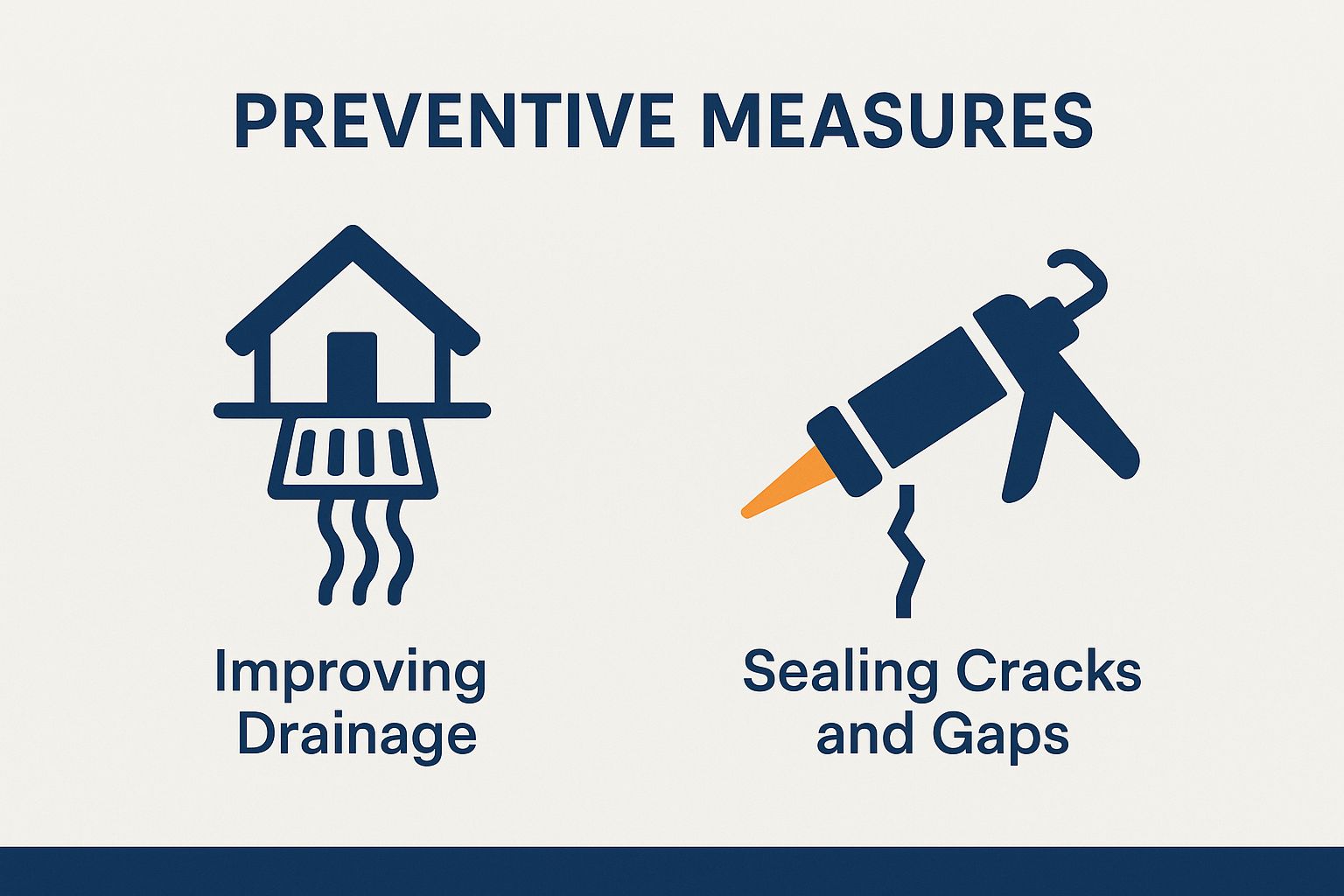
Improving Drainage Systems with Exterior Drains
Improve drainage systems with features like French drains. They effectively redirect water away from basements and foundations.
To install a French drain, start by digging a trench about 6 inches wide and 18 to 24 inches deep. Make sure it has a 1% slope for proper water flow, especially in areas like Virginia, Massachusetts, and New Hampshire.
Regularly inspect exterior drainage systems to prevent clogs. This maintenance is essential.
Perform these maintenance tasks seasonally to prolong your drainage system’s effectiveness.
Sealing Cracks and Gaps
Seal cracks and gaps in the basement to reduce the risk of water penetration during heavy rainfall.
- Begin by thoroughly cleaning the area surrounding the cracks using a wire brush, followed by vacuuming to remove any debris.
- Next, apply a masonry sealant, such as Sikaflex (approximately $15), utilizing a caulking gun to ensure that the crack is filled completely.
- For larger gaps, use expanding foam sealant. It provides better insulation and moisture resistance.
- Once the sealant has dried, it is important to conduct an annual inspection for new cracks and address them promptly.
- Additionally, ensure that gutters are properly directed away from the foundation to prevent future issues, as this is a critical measure for the long-term protection of the basement.
Waterproofing Solutions for Basements
Choosing the right waterproofing solution is vital for protecting your basement from leaks and moisture. Companies like Groundworks and B-Dry provide excellent options.
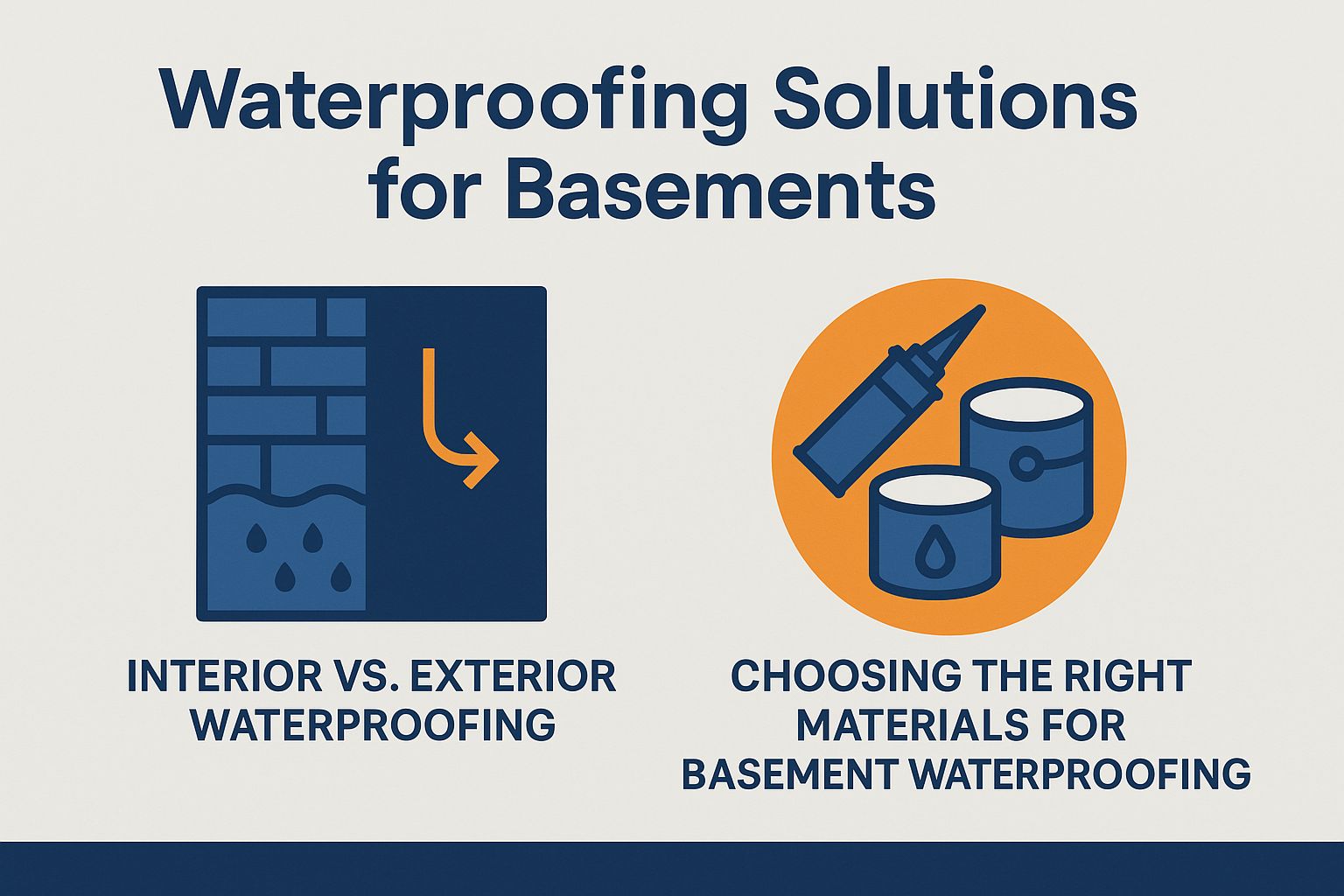
Interior vs. Exterior Waterproofing Solutions
Interior waterproofing is primarily concerned with addressing existing water issues, while exterior waterproofing focuses on preventing water intrusion before it occurs. To assist in evaluating the most suitable approach for your specific needs, please consider the following comparison:
Interior waterproofing involves methods that help manage existing leaks, while exterior waterproofing aims to stop water from entering your basement in the first place.
| Method | Pros | Cons | Estimated Cost |
|---|---|---|---|
| Interior Waterproofing | Provides swift solutions for existing leaks | Requires ongoing maintenance | $1,000 – $3,000 |
| Exterior Waterproofing | Offers long-term protection against water intrusion | Involves a higher initial investment | $2,000+ |
It is advisable to select exterior systems for areas that are susceptible to heavy rainfall or if the location is within a flood risk zone. Choose exterior systems if your area gets heavy rainfall or has a flood risk.
Choosing the Right Materials for Basement Waterproofing
Selecting high-quality waterproofing materials is essential for ensuring long-term protection against basement leaks and the damage they may cause.
Several materials, including interior drainage systems, are particularly notable for their effectiveness:
- Rubber membranes cost around $1.50 per square foot. They create a reliable moisture barrier, and brands like B-Dry offer effective, easy-to-install systems.
- For repair work, hydraulic cement is recommended; it expands during the curing process, effectively sealing cracks, and can be complemented with a French drain.
- Additionally, exterior coatings, such as those provided by Ram Jack and Adam Vaillancourt Roofing & Gutters, are specifically designed for sealing walls and preventing water intrusion.
It is imperative to adhere to the manufacturer’s guidelines to achieve optimal results, as recommended by the Environmental Protection Agency.
When to Call a Professional
Knowing when to seek professional help is vital for addressing major basement issues and preventing damage.
Signs You Need Expert Help
* Persistent water damage, * Extensive mold growth, * Significant structural issues clearly indicate the necessity for professional assistance. In such instances, it is imperative to act promptly to minimize further damage.
Begin by assessing the extent of the problem: examine for mold patches exceeding 10 square feet, any indications of foundation cracks, or issues with the gutter system such as those addressed by Gutter Shutter.
It is essential to document everything meticulously with photographs and detailed notes. Reach out to licensed professionals, such as ServiceMaster Restore and Groundworks, who specialize in assessments and remediation. They can offer a comprehensive evaluation and recommend tailored solutions, ensuring that the issues are resolved effectively and safely.
Choosing a Reliable Contractor
Selecting a reliable contractor is crucial for ensuring high-quality repairs and effective waterproofing solutions in your basement.
To find trustworthy professionals, check reviews on platforms like Angi, the Better Business Bureau, and local recommendations in Virginia, Massachusetts, and New Hampshire. Seek contractors who can provide valid licenses and insurance, which serves to protect your interests.
Requesting multiple quotes, including those from companies like Men in Kilts, allows for a transparent comparison of services and pricing.
- * Compare services easily
- * Identify cost discrepancies
- * Discuss necessary materials
For example, if one contractor proposes a repair for $2,500 while another quotes $1,800, this discrepancy can facilitate important discussions regarding service levels and necessary materials.
A thorough vetting process helps you make a confident hiring decision.
